
Visit Historic Sites
Travel Back in Time
Experience History Where It Happened
Discover the rich heritage of Isanti County at our historic sites—each one a doorway into the lives, landscapes, and legacies that shaped this region. From pioneer homesteads to preserved landmarks, every location offers a unique glimpse into Minnesota’s past. Whether you’re a history buff, a curious traveler, or simply looking for a meaningful day trip, come experience where our shared story lives on.
Heritage Center
Isanti County Fairgrounds
Olson Summer Kitchen
Isanti County Fairgrounds
Mattson Pioneer Log Cabin
Isanti County Fairgrounds
West Riverside Schoolhouse
West Riverside, Cambridge Township
Edbald Pioneer Cabin
West Riverside, Cambridge Township
Blacksmith Shop
West Riverside, Cambridge Township
St. John's German Lutheran Church
Bradford Township
Spencer Brook School
Spencer Brook Township
Grandy Union Church
Cambridge Township
ISANTI COUNTY HISTORICAL SOCIETY MANAGED SITE
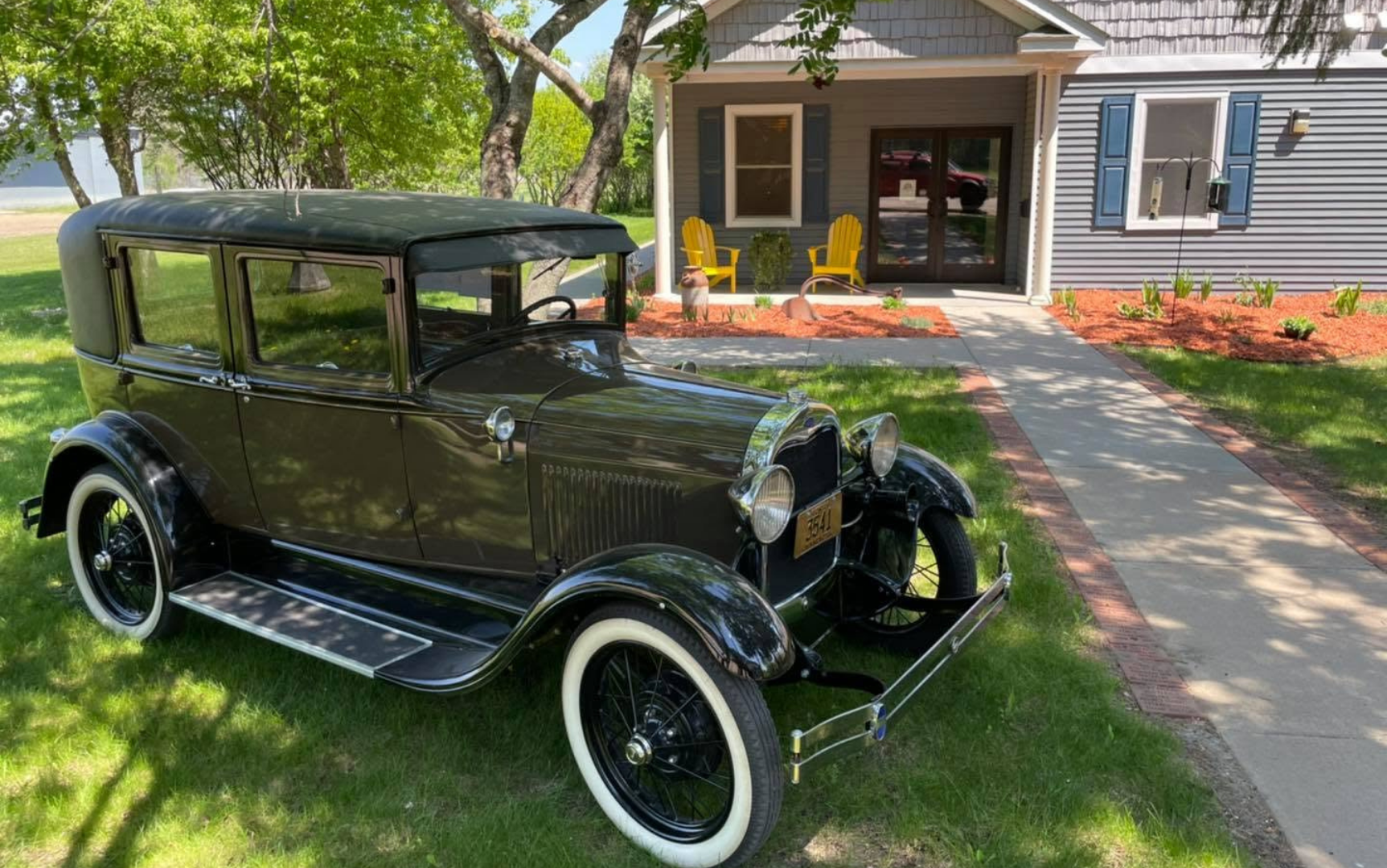
Heritage Center
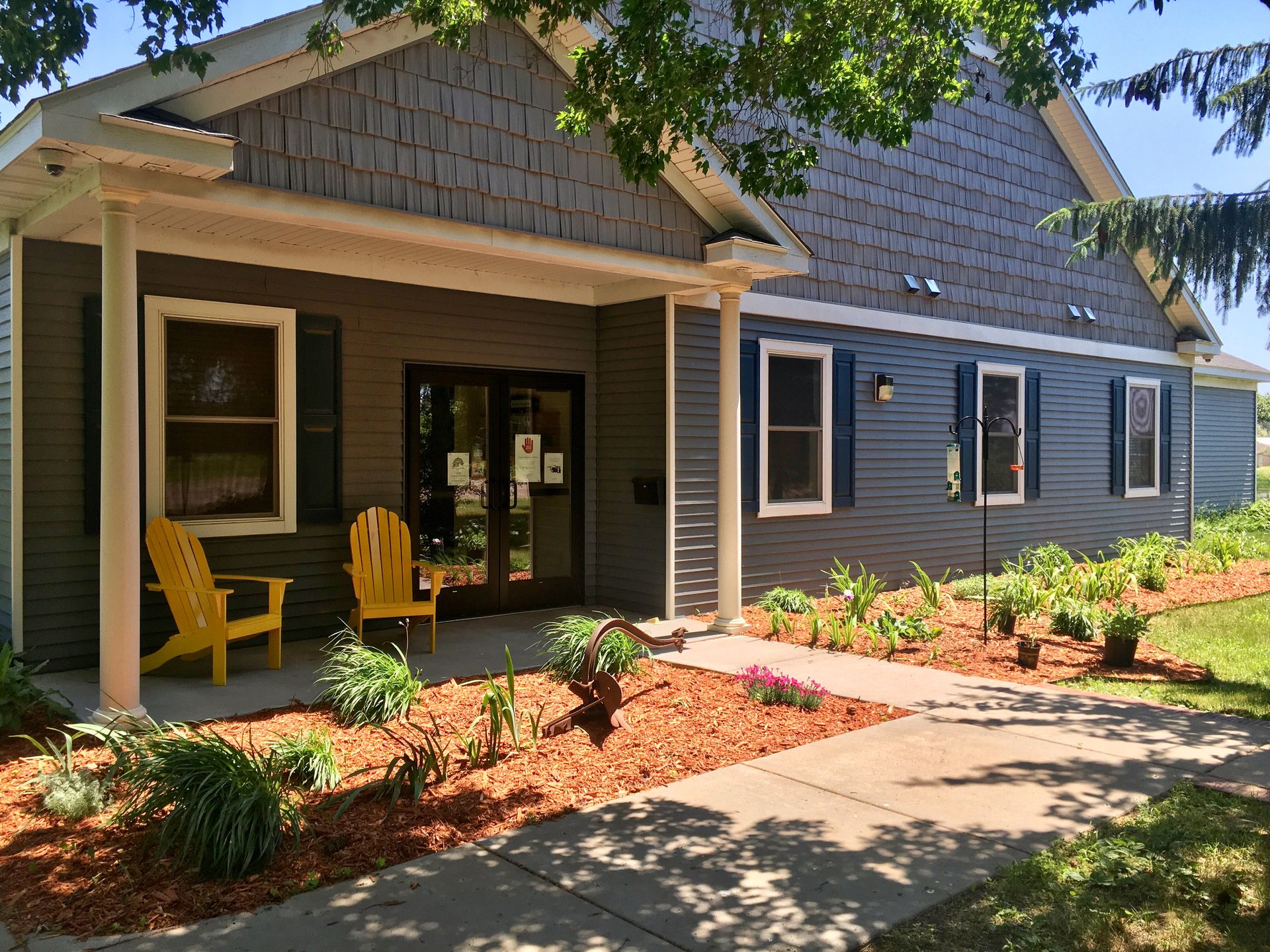
ISANTI COUNTY HISTORICAL SOCIETY MANAGED SITE
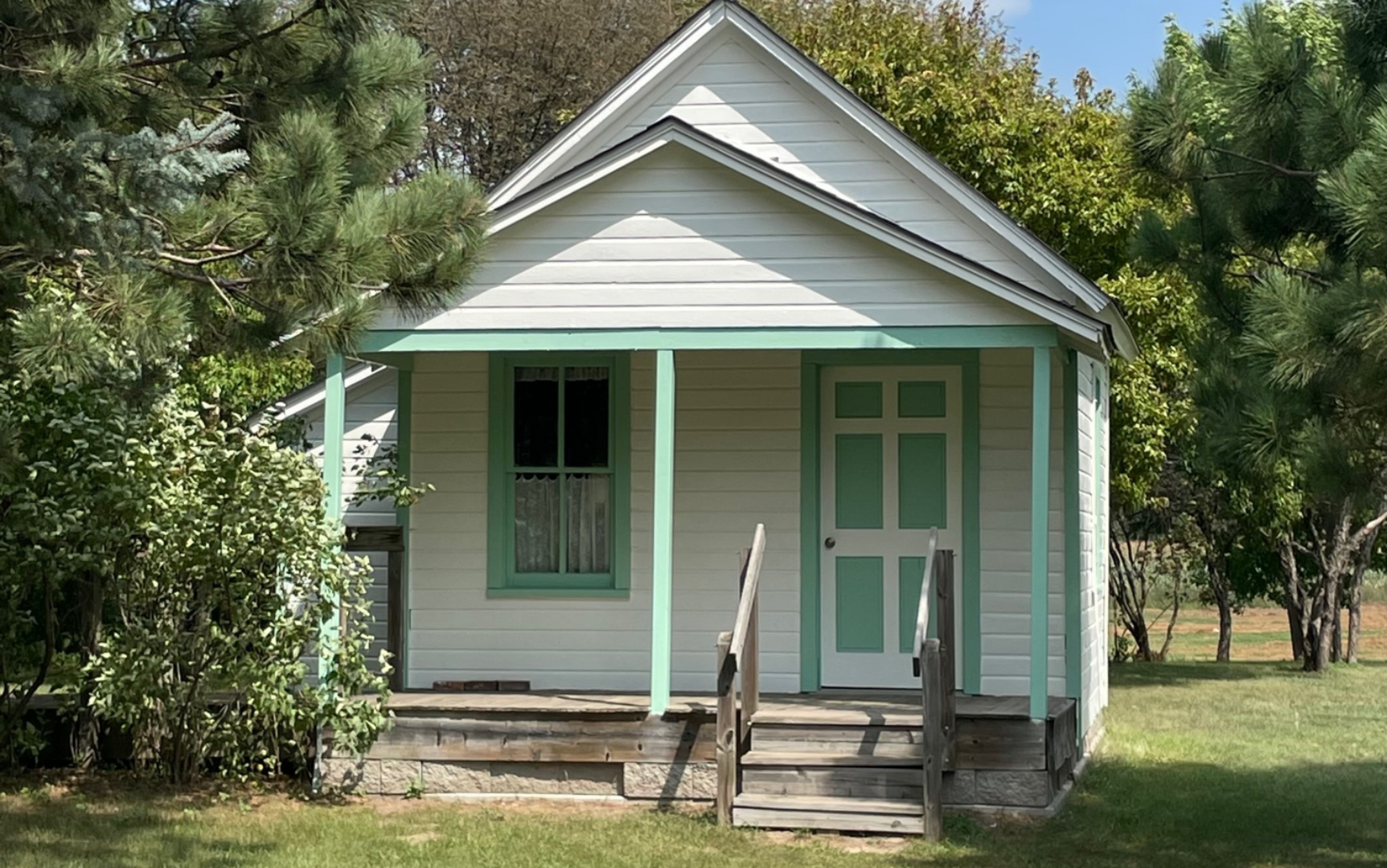
Olson Summer Kitchen
During the hot days of summer, the Rookie Olson family did all their cooking in the summer kitchen. The building was moved to the Heritage Center property in 2006 from its location off County Road 70, just south of the Cambridge Community College.
ISANTI COUNTY HISTORICAL SOCIETY MANAGED SITE
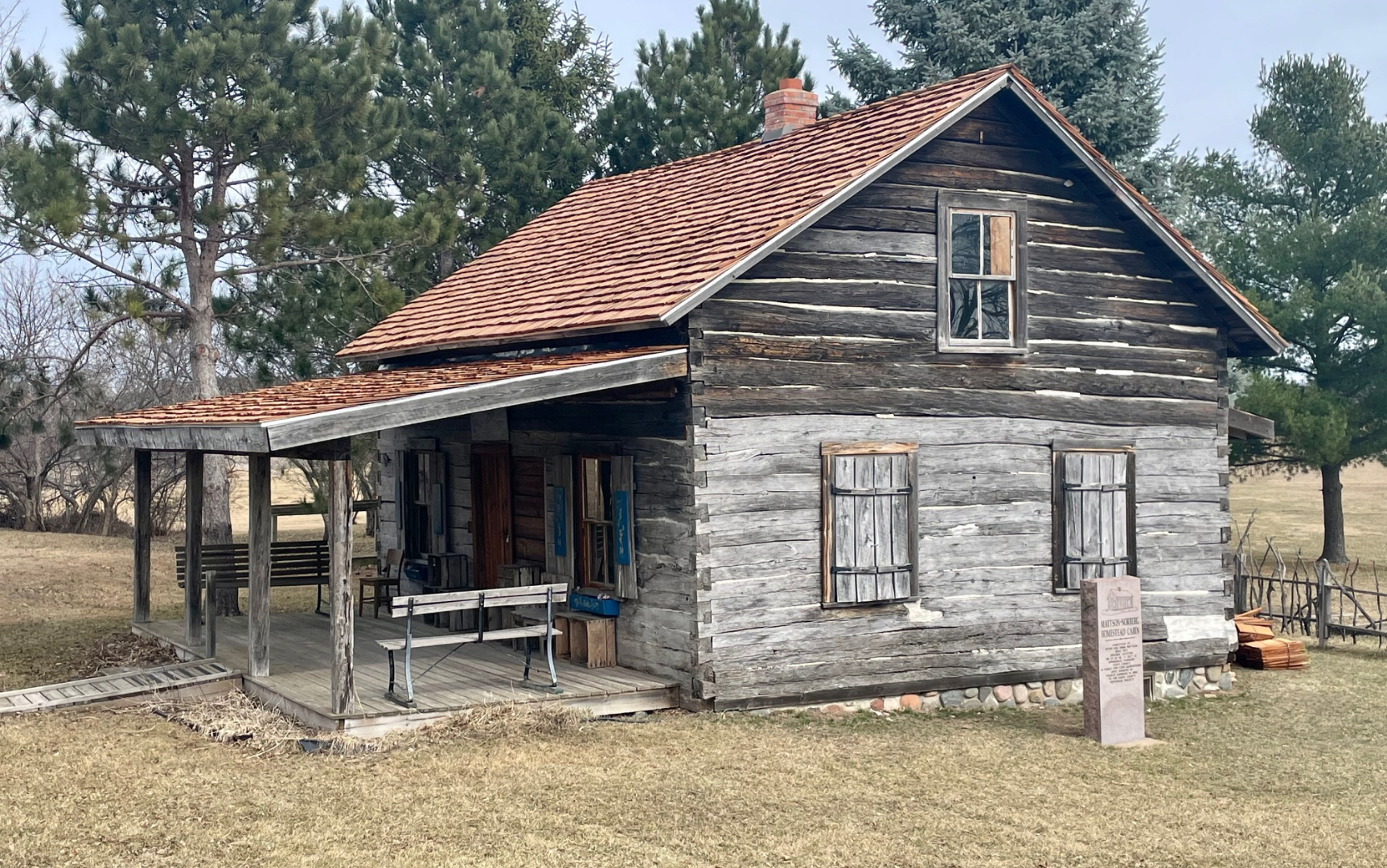
Mattson Pioneer Log Cabin
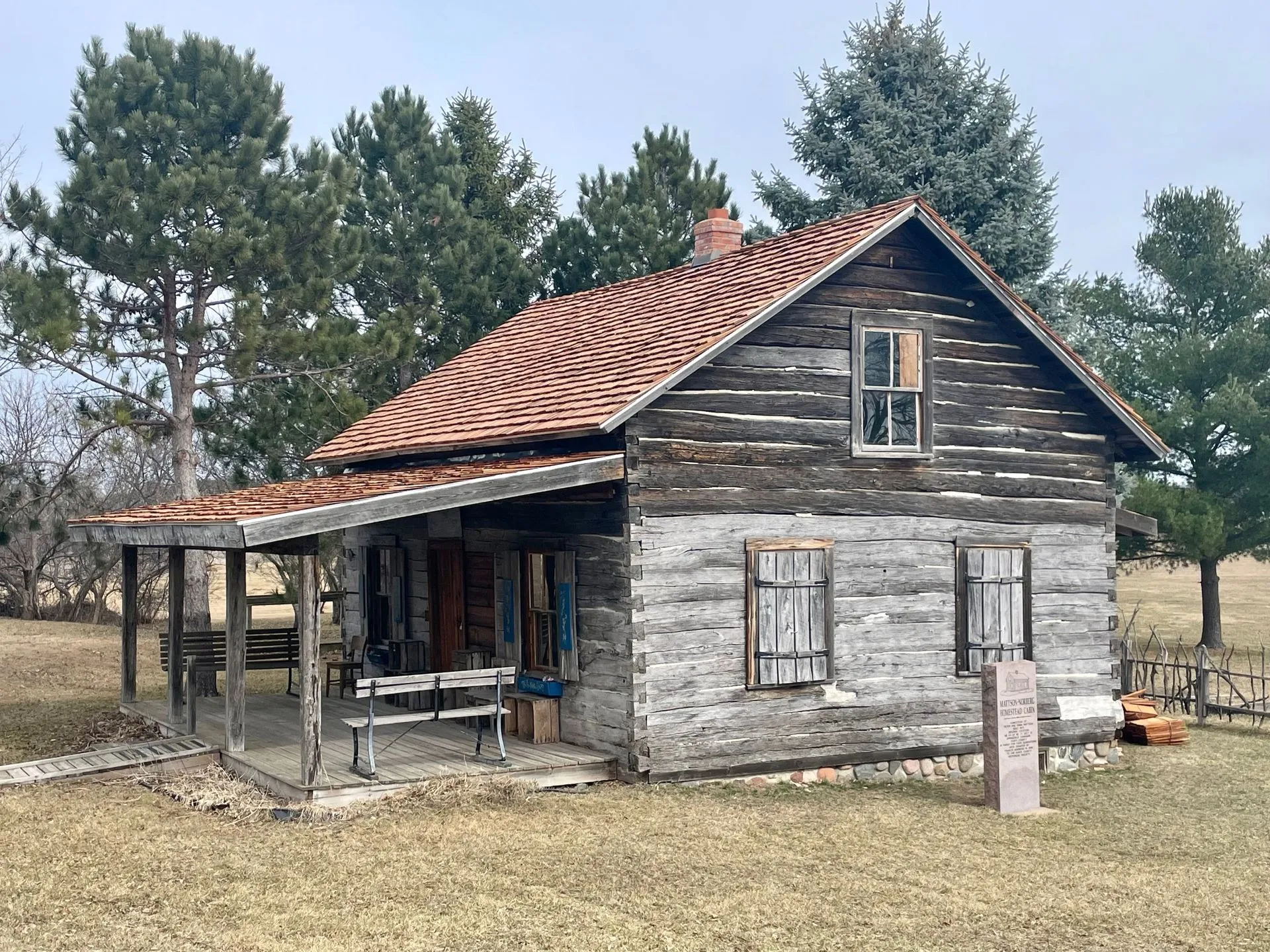
The Mattson cabin, built in 1872, was home to Peter and Anna Mattson. During their first winter in the house, Anna and daughter Maggie made jewelry using their hair. When his parents died, the oldest son Lorie and his wife Bina inherited the cabin. They had four children: Geneva, Hazel (who lived to be over 100), Morris and Rachel.
Located on the grounds of the Heritage Center (NW corner of the Isanti County Fairgrounds)
THE MATTSON-NORBERG CABIN BIOGRAPHY
By LaVerne(Norberg) Anderson
Great GrandDaughter of Peter & Anna Mattson
Peter Mattson and his sons, Louis (13) and Andrew (11) built our log cabin. The Mattson family left Sweden April 14, 1870. They filed for homestead and were given 160 acres in Springvale Township, Isanti County, Minnesota. The train only went as far as Anoka so after arriving in Anoka, they set out on foot to their new home. They had bought a big sled, and loaded it with their personal belongings, plus a stove, four chairs,a shovel, an axe, a saw and 100 pounds of flour. They took turns pushing and pulling the sled for the 38-mile trip from Anoka. There was already some snow on the ground so it was important to find shelter before winter. There was a steep hill facing south on their homestead property, so they started digging a hole the size of a room. They cut down trees to make the roof for the meager dugout house. They put a window and a door on the sunny side and the walls were propped up to prevent cave-ins. There was plenty of fuel to keep warm and cook with. The nearby lake and river furnished fish and in the woods were venison and partridge.
Logs were cut for a log cabin and in 1872 they moved into the three room cabin consisting of a large living room and two bedrooms. Some years after, they added a kitchen, and still later a pantry and a back bedroom.
The log part of the house was lived in for 122 years. Louis Mattson’s four children were born in the house, as were the eleven Norberg children. The large cabin living room has seen many gatherings,ladies’ aids, bridal showers, Thanksgiving and Christmas dinners,as well as many family get-togethers such as the 25th Anniversary of my parents, Rachel and Alfonse Norberg.
We can’t help but admire the handicraft of our ancestors. Those logs were all shaped with a hand saw and axe; just look at those corners! What skills and determination they had in those years.
ISANTI COUNTY HISTORICAL SOCIETY MANAGED SITE
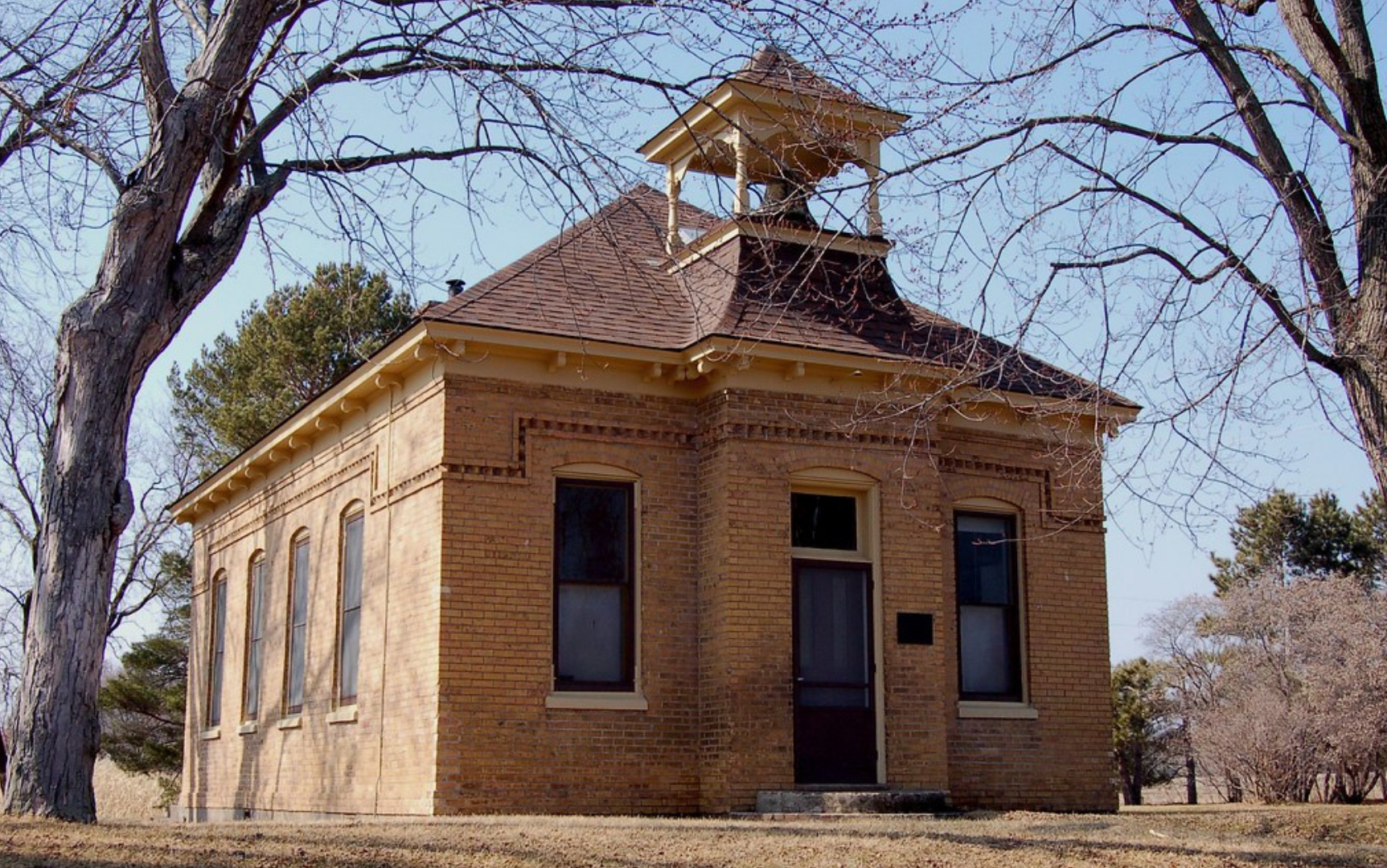
West Riverside Schoolhouse
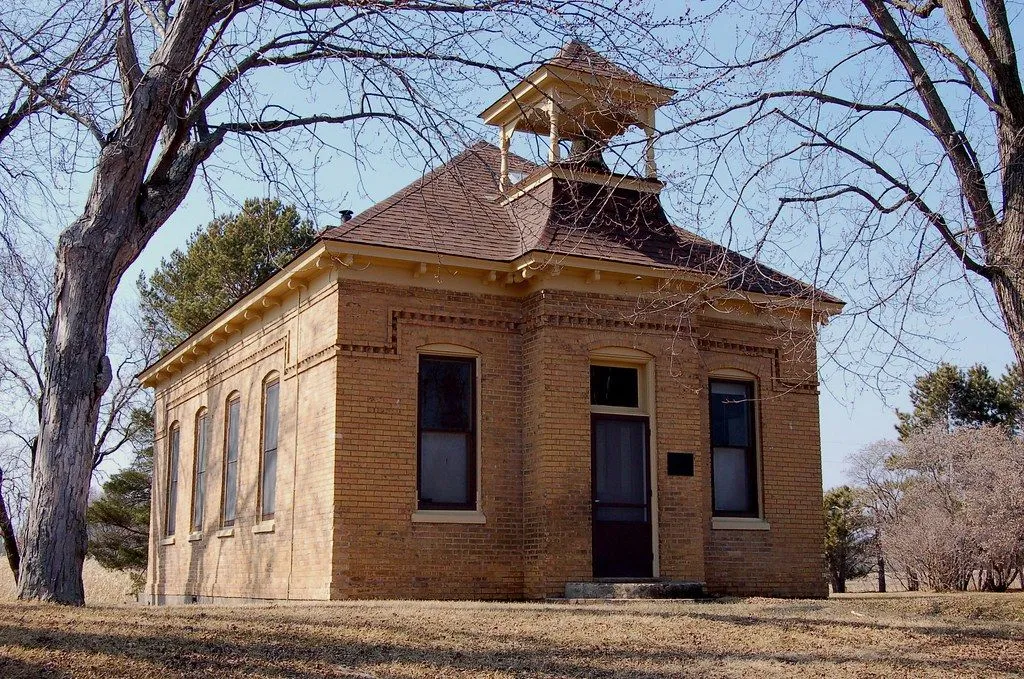
A Brief History of The West Riverside School
The West Riverside School is one of the original 67 country schools that dotted the rural landscape of Isanti County. Situated less than two miles outside of Cambridge, Minnesota, District #38, as it was also known, was organized in 1882 and served students of the surrounding area until its closure in 1971. The current brick structure was built in 1898 from bricks sourced from the nearby Springvale Brickyard, which sat on the banks of Rum River, just a short distance from the school.
In addition to its duties as a school, West Riverside also served as a community center for various social events like political gatherings, church meetings, farmers’ club meetings, home talent plays, and, of course, the school’s Christmas program.
In an effort to modernize education in the rural areas, consolidation and closure of the country schools began around the state in the 1950s. And by 1971, a state mandate passed, further solidifying the end of the country schools. By this time, there were only three in operation throughout Isanti County; West Riverside was one of them. Upon its closure, like many of the county schools, it would not be long before it would succumb to the wrecking ball. In a concerted effort made up of local citizens, many of whom attend the school as children, a petition resulting in over 900 signatures released the property and school to the Isanti County Historical Society. Due to the school’s unique architecture and condition, the West Riverside School was placed on the National Register of Historic Places in 1980.
Not long after the change in ownership, the school once again opened its doors to local children; this time, however, it wasn’t used for the normal curriculum, but rather a unique program known as Old Time School. The program drew on the county’s rich cultural heritage with a special focus on historical programming for students who were interested in learning what school would have been like in 1900. The immensely popular summer program is currently gearing up for its 53rd season.
The West Riverside School stands proudly not only as a reminder of a bygone era but as a testament to a community’s commitment to honor its past.
ISANTI COUNTY HISTORICAL SOCIETY MANAGED SITE
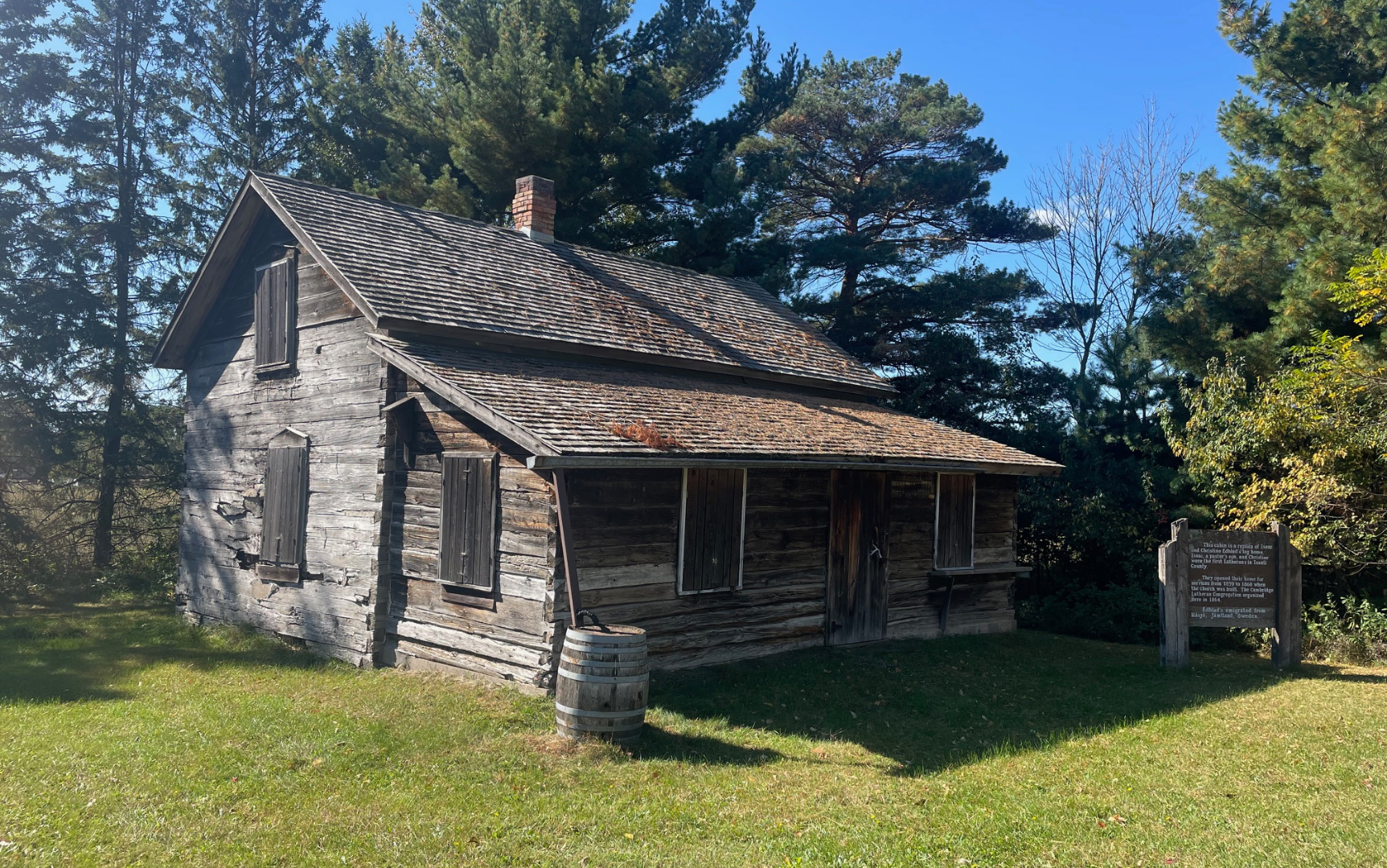
Edbald Pioneer Cabin
Cambridge with their three children, Olaf, Mary, Bessie, and Maggie. Originally from Jamtland, Sweden, the Edblads were one of the first families from that region to call Isanti County home. Shortly after their arrival, the family built a small one-room log cabin overlooking the Rum River, one mile north of Cambridge.
Isak, the son of a Lutheran pastor, held the county’s first church services in the tiny cabin. As more settlers arrived and word spread, the Edblads constructed a small addition to accommodate the growing congregation. And in 1864, the cabin officially served as the Cambridge Lutheran Church. The cabin you see today is a period structure that was built in Spring Lake – North Branch Township in 1861. Descendants of Isak and Christine took the initiative to purchase and move the cabin in 1972. The cabin itself is fully furnished with Edblad family artifacts and pays homage to the early pioneer family.
ISANTI COUNTY HISTORICAL SOCIETY MANAGED SITE
Blacksmith Shop
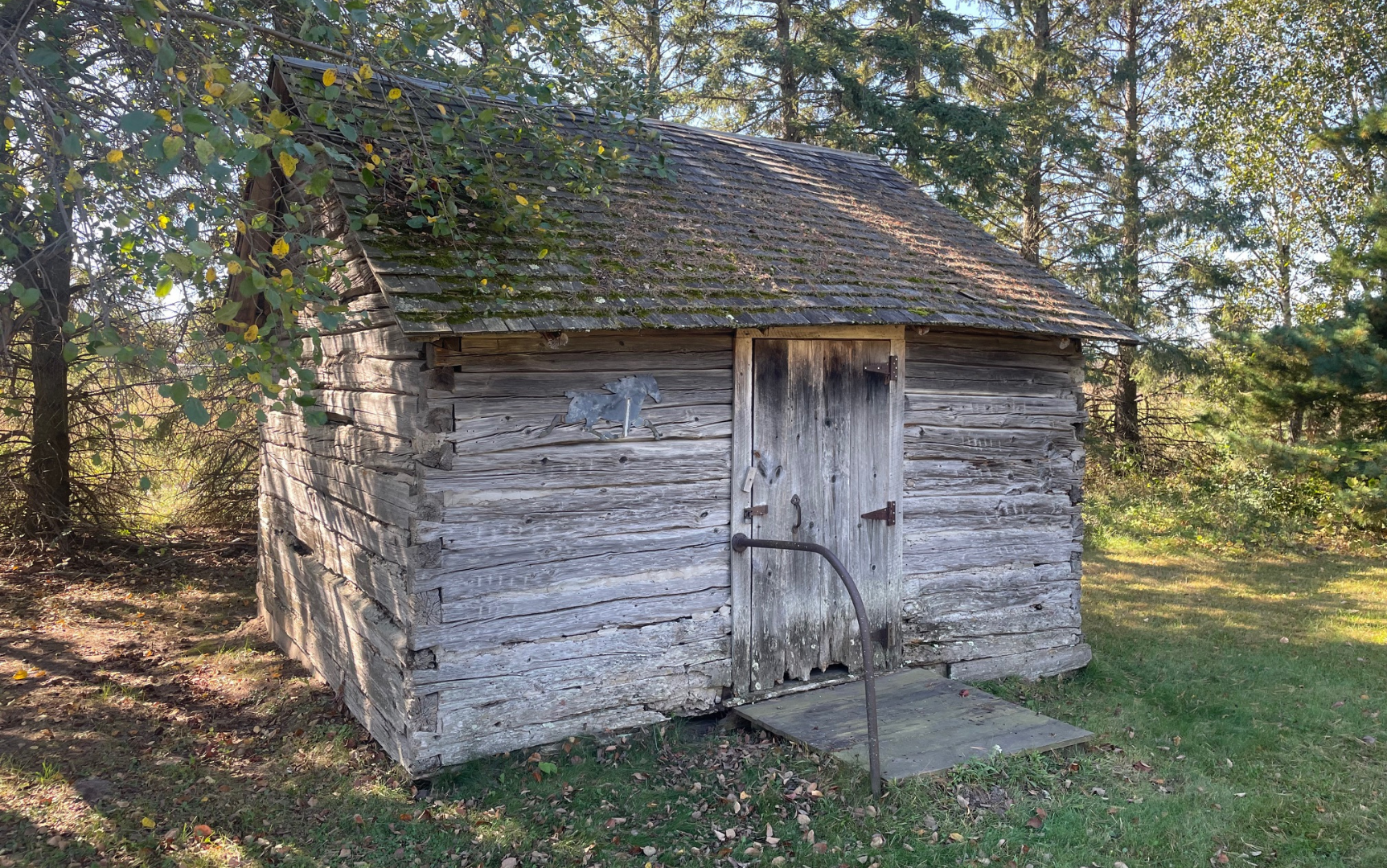
A Brief History of The Blacksmith Shop
What started life as a 15’x15′ pioneer cabin in Section 7 of Springvale Township, our blacksmith shop was moved in 1985 and placed adjacent to the Edblad Cabin. The structure is fully equipped with late 19th- and early 20th-century blacksmith tools. Outside the blacksmith shop stands an antique bellows that was used at the original Edblad Homestead.
ISANTI COUNTY HISTORICAL SOCIETY MANAGED SITE
St John’s German Lutheran Church
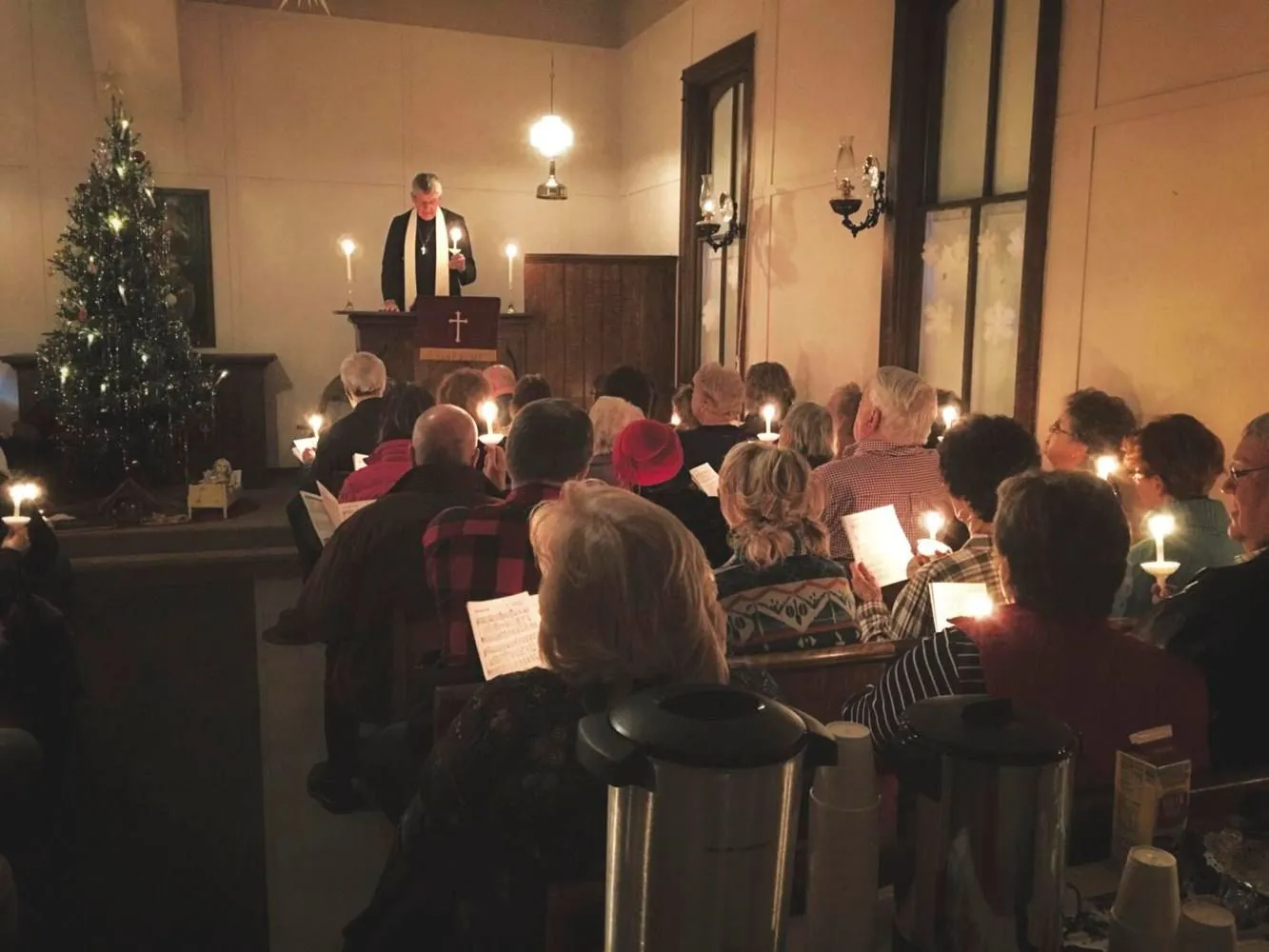
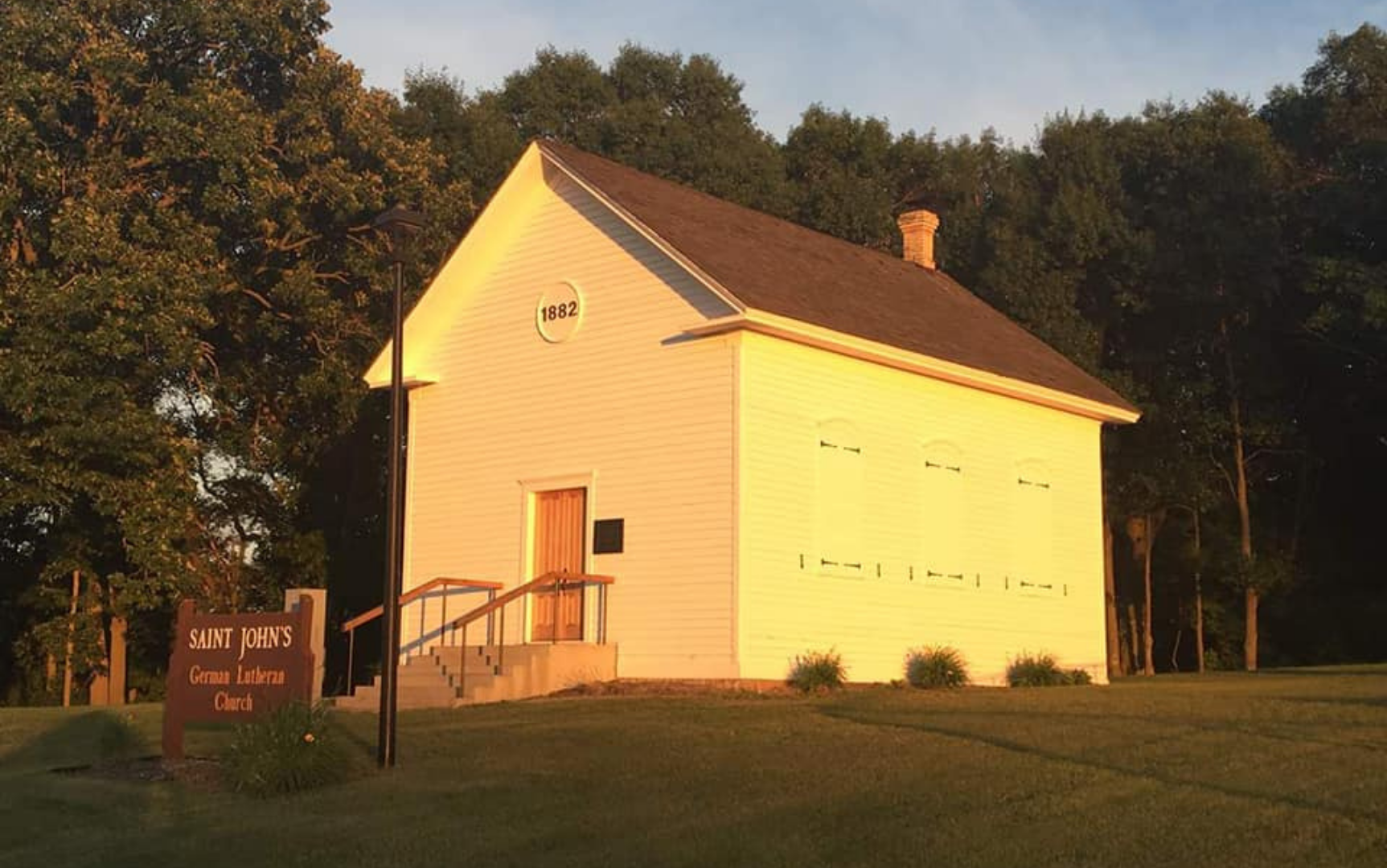
St. John’s Evangelical Lutheran Church at Bradford is primarily significant for its association with the German population of Isanti County.
St. John’s is a well preserved example of the small churches that have served Isanti County’s rural population throughout the county’s history. The Germans were among the earliest ethnic groups to settle Isanti County. Their presence has been overshadowed by the vast numbers of Swedish immigrants who followed them, but isolated German settlements survive in southwestern Isanti County and in the southeastern part of Bradford Township. The German Lutheran homesteaders of Bradford Township organized and built St. John’s in 1882. The congregation was never large, and during most of its history the church shared a pastor with the German Lutheran congregations at either Crown or Weber, the two other German settlements in the county. In 1956 the congregation closed the church to merge with the St. John’s Lutheran Church at Weber. The Isanti County Historical Society acquired the church building from the Weber congregation in 1973. St. John’s is representative of the many rural churches scattered across Isanti County which served the important function of binding together the small ethnic communities comprising the county’s rural population. The surviving churches record the concentration areas of the ethnic groups and denominations. The extremely well-preserved condition of St. John’s make it link with the county’s German immigrant population.
ISANTI COUNTY HISTORICAL SOCIETY MANAGED SITE
Spencer Brook School
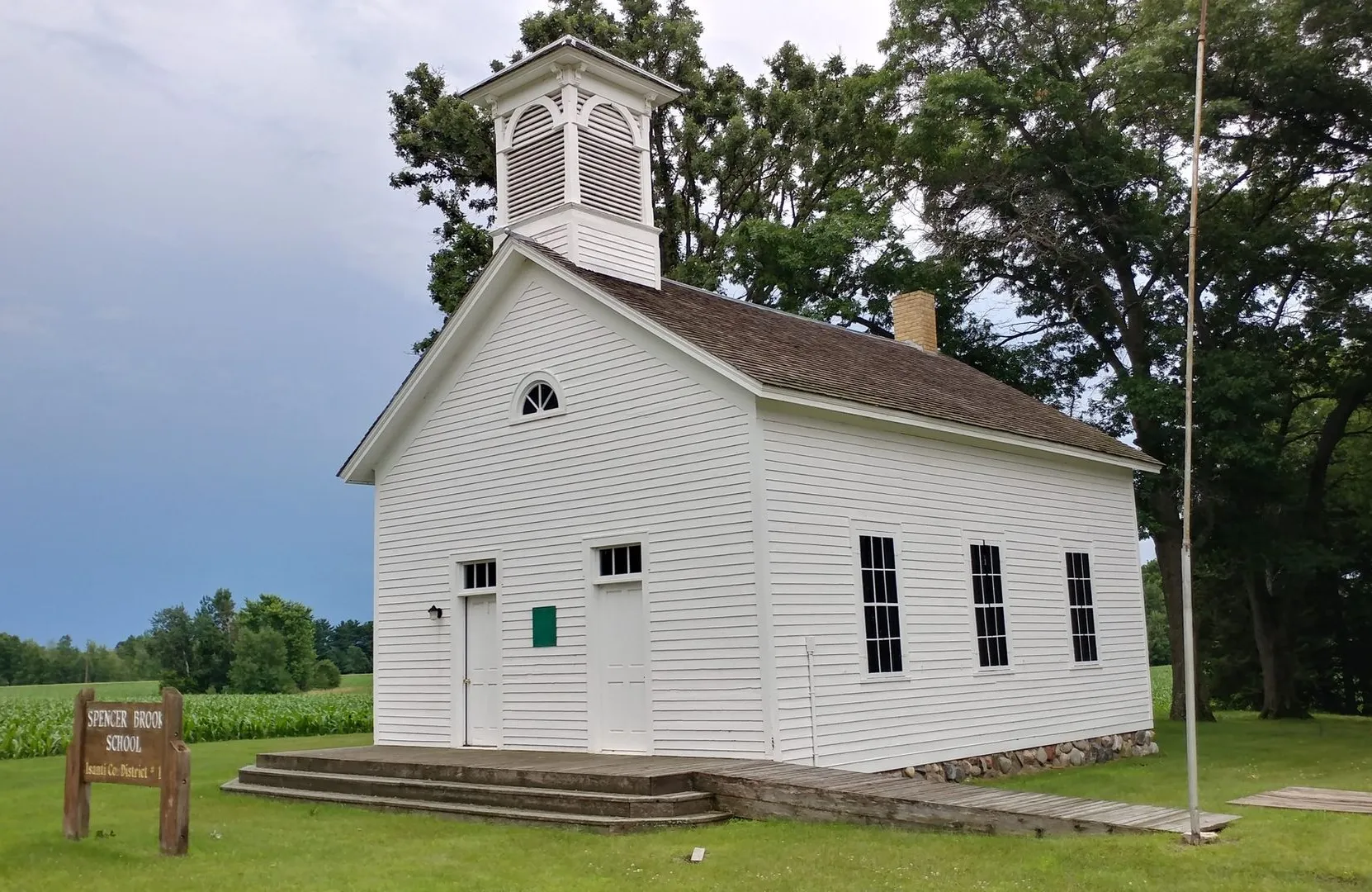
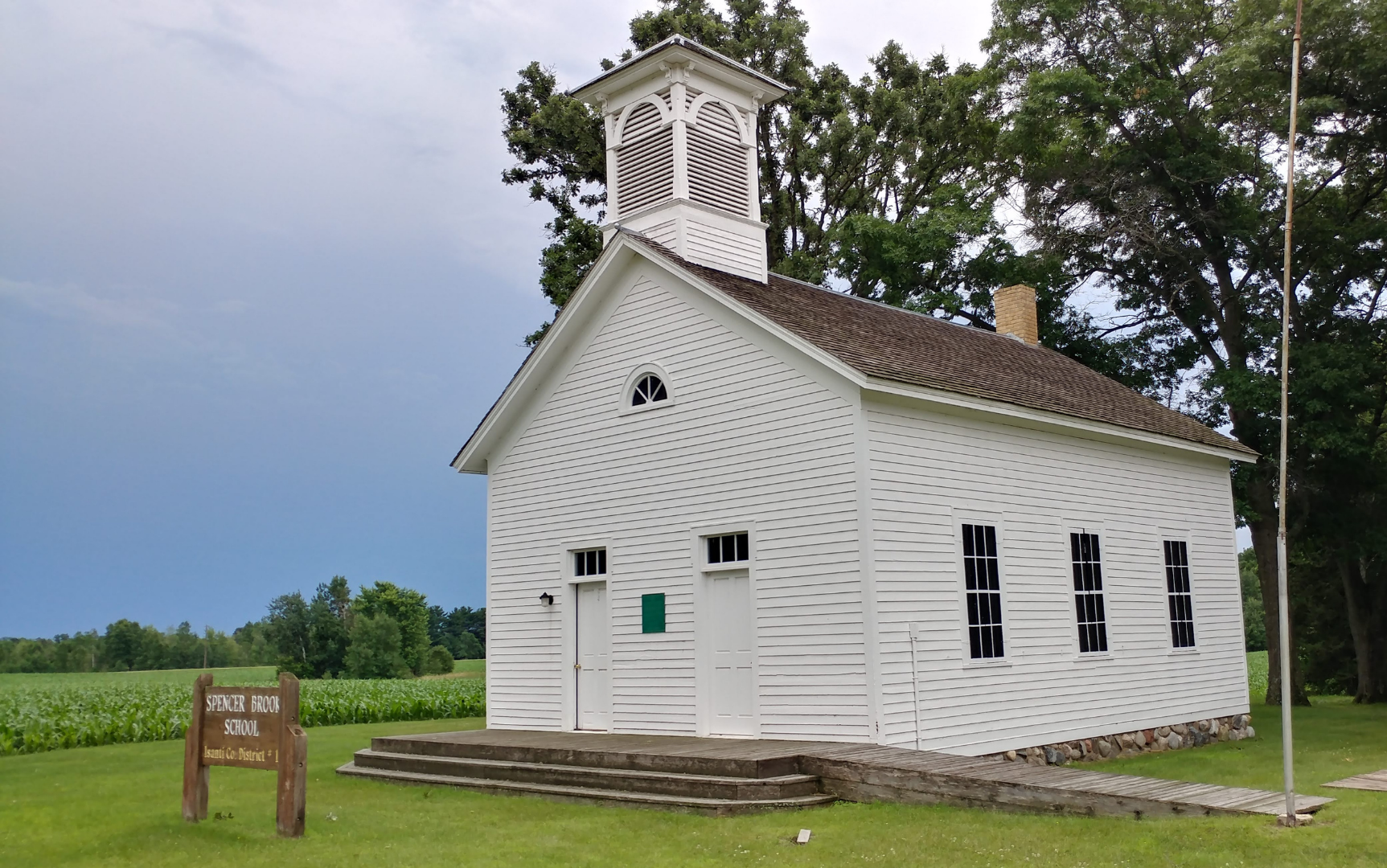
The Spencer Brook School District No. 1 is primarily significant as a rare surviving structure associated with Spencer Brook, a community settled by New Englanders during the earliest phase of Isanti County’s development.
Settlers from New England were the first Euro-Americans to make permanent residences in Isanti County, preceding the better-known and more numerous Swedish immigrants who arrived in the area from the late 1860s to the 1890s. Spencer Brook was settled in the late 1850s, mostly by Mainites, who were engaged in lumbering. The village became the largest settlement of native born Americans in the county. The settlers organized the first rural school in the county in 1858. School enrollment outgrew the homes in which it was first held, and land was purchased in 1874 for a school site and the present building was constructed. The school has been closed since 1945, but the Spencer Brook Historical Association was formed in June 1969 for the purpose of restoring and preserving the schoolhouse.
ISANTI COUNTY HISTORICAL SOCIETY MANAGED SITE
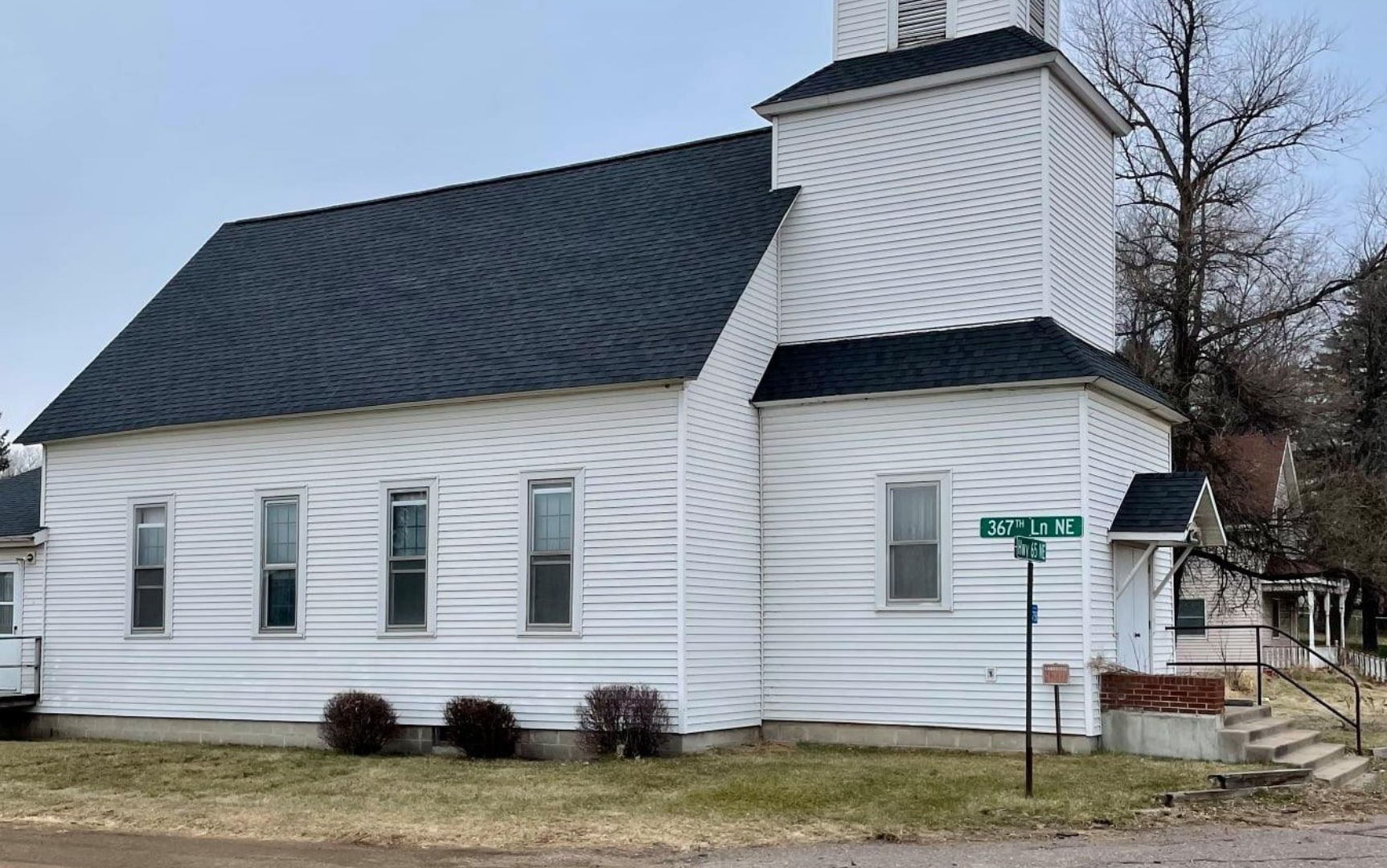
Grandy Union Church
The Grandy Church was organized in the early 1880s by local Swedish immigrants. The church first started as a Seventh-Day Adventist denomination and was one of two Adventist churches in the immediate area.
For the better part of its early existence, nestled within an early pioneer cemetery at the church’s first location in Section 11 of Cambridge Township, the simple one room country church held religious and school services spoken in Swedish.
After the railroad arrived in Isanti County in July of 1899, the church was moved to its current location. In the winter of 1905, it was lifted and transported by skids, rollers, and a team of horses roughly 1.25 miles northwest into the rapidly growing town of Grandy. Upon its arrival, church services were continued and opened up for all denominations, where it became known as the Grandy Union Church.
Services continued at the new location in Grandy, and over the years, additions were made to the church to accommodate its diverse congregation. One of the more notable local organizations had the longest community involvement in the church. The Grandy Good Cheer Guild was organized in the 1940s and held several popular fund raising events at the church for decades. In 2017, the Grandy Good Cheer Guild reached out to the Isanti County Historical Society to discuss the church’s future. After some discussion and long-term goal-setting, ownership was transferred to the Historical Society.
Thanks to many local donations, one of the first projects after the change of ownership was to replace the aging roof in 2020. Before being able to open the doors once again, it was important to address the interior paint. After securing a grant through the Legacy Amendment and the Minnesota Historical Society, the interior metal walls and ceiling were stripped and repainted in June of 2022.
Moving forward, plans include incorporating a small exhibit space inside the church to share not only the history of the church but also Grandy as well. With the impending future changes in infrastructure along Highway 65, a contingency plan that includes a second historical move to the Historical Society grounds in Cambridge will be explored. But for now, it will remain as an important community landmark in Isanti County and a testament to the past.
Help us Continue to Preserve History
Your support helps us preserve the stories, buildings, and artifacts that shaped Isanti County. From historic schoolhouses to township landmarks, each site we manage depends on community generosity to maintain, protect, and share its legacy. Every donation—large or small—helps keep our local history alive for future generations.